
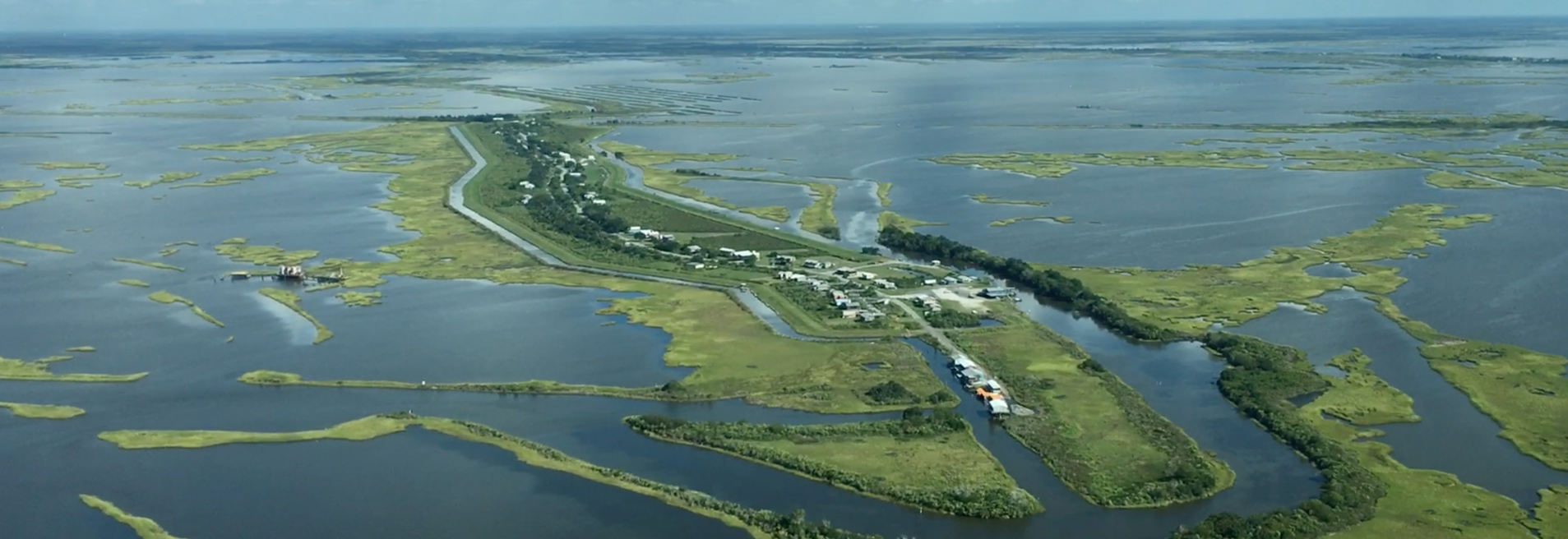
To celebrate the International Day of Monuments and Sites (IDMS), we are presenting a webinar on the critical role of cultural landscapes in responding to climate change and the support of community resilience.

News
2024 Library of Congress Internship Applications Due April 22
Archives, History and Heritage Advanced Internship Program A great internship to develop archives experience. Focused on Black, Hispanic or Latino, Indigenous, and communities of color historically underrepresented in the United States and in the Library’s collections, there is a wealth
Cultural Heritage as a Human Right

Adam Markham, Deputy Director of Climate and Energy at the Union of Concerned Scientists, argues that climate change is fast eroding this human right: the right to “participate in the cultural life of the community, to enjoy the arts, and
RecentPosts
2024 Library of Congress Internship Applications Due April 22
Archives, History and Heritage Advanced Internship Program A great internship to develop archives experience. Focused on Black, Hispanic or Latino, Indigenous, and communities of color historically underrepresented in the United States and in the Library’s collections, there is a wealth
Cultural Heritage as a Human Right
Adam Markham, Deputy Director of Climate and Energy at the Union of Concerned Scientists, argues that climate change is fast eroding this human right: the right to “participate in the cultural life of the community, to enjoy the arts, and
CHS Director Elizabeth Brabec to speak at ARU’s Sustainable Futures Conference, Cambridge, UK
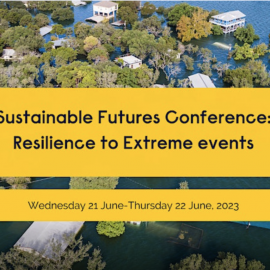
Elizabeth Brabec will join a group of 14 academics and agency leaders at Anglia Ruskin University in Cambridge, UK, on June 21st and 22, to discuss “Resilience to Extreme Events.” The conference will cover the range of issues from cultural
Frederick Gage Todd, Landscape Architect, a National Historic Person
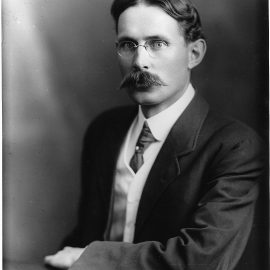
It is not often that a landscape architect is designated a “National Historic Person.” But on October 21, 2020, Frederick G. Todd joined 729 other individuals, from medical researchers to politicians to arctic explorers on the Canadian list (Parks Canada,
Cultural Landscapes’ Critical Role in Responding to Climate Change
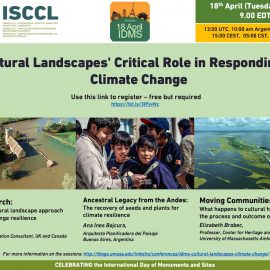
Celebrating the International Day of Monuments and Sites April 18, 2023, 9:00 EST, 13:00 UTC
Law, Landscape and Culture: Why America doesn’t love the black currant
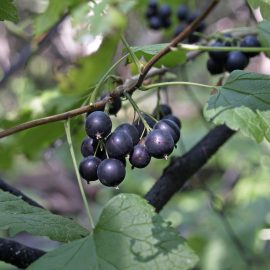
Why is the black currant so popular in Europe and almost non-existent in North America? A recent blog post from the US Law Library of Congress discusses the link between cultural taste preferences and the local ecosystem, the importance of
Projects
Affiliations: World Universities Network (WUN) Understanding Cultures Steering Group UMass Amherst Representative As a consortium of 23 research universities from around the globe, the WUN brings partners together to tackle critical research issues in a transdisciplinary and international forum. The
Conferences
List of Conferences Please click on year to link to more information: 2023: Cultural Landscapes’ Critical Role in Responding to Climate Change 2019: Rural Heritage: Landscapes and Beyond 2018: Culture, Migration and Adaptation in a Rapidly Changing World 2017: The

Cultural Landscapes Initiative
Cultural landscapes are the “home,” the space and the place in which we live. They reflect the people and the cultures who create them in their interaction with the natural world around them. They also reflect the layers of the