-
-
Climate Series
-
-
Stories in CAFE
-
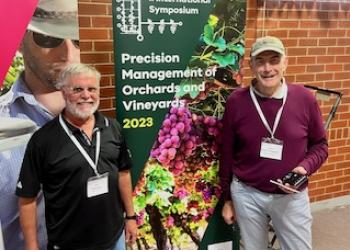
Jon Clements attended an International Society for Horticultural Science Symposium on Precision Orchard and Vineyard Management, December 4-8, 2023 at the Tatura Smart Farm, in Victoria, Australia.
-
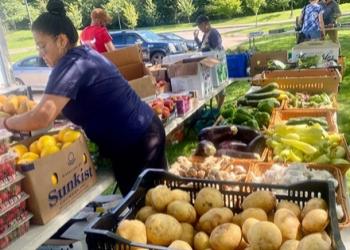
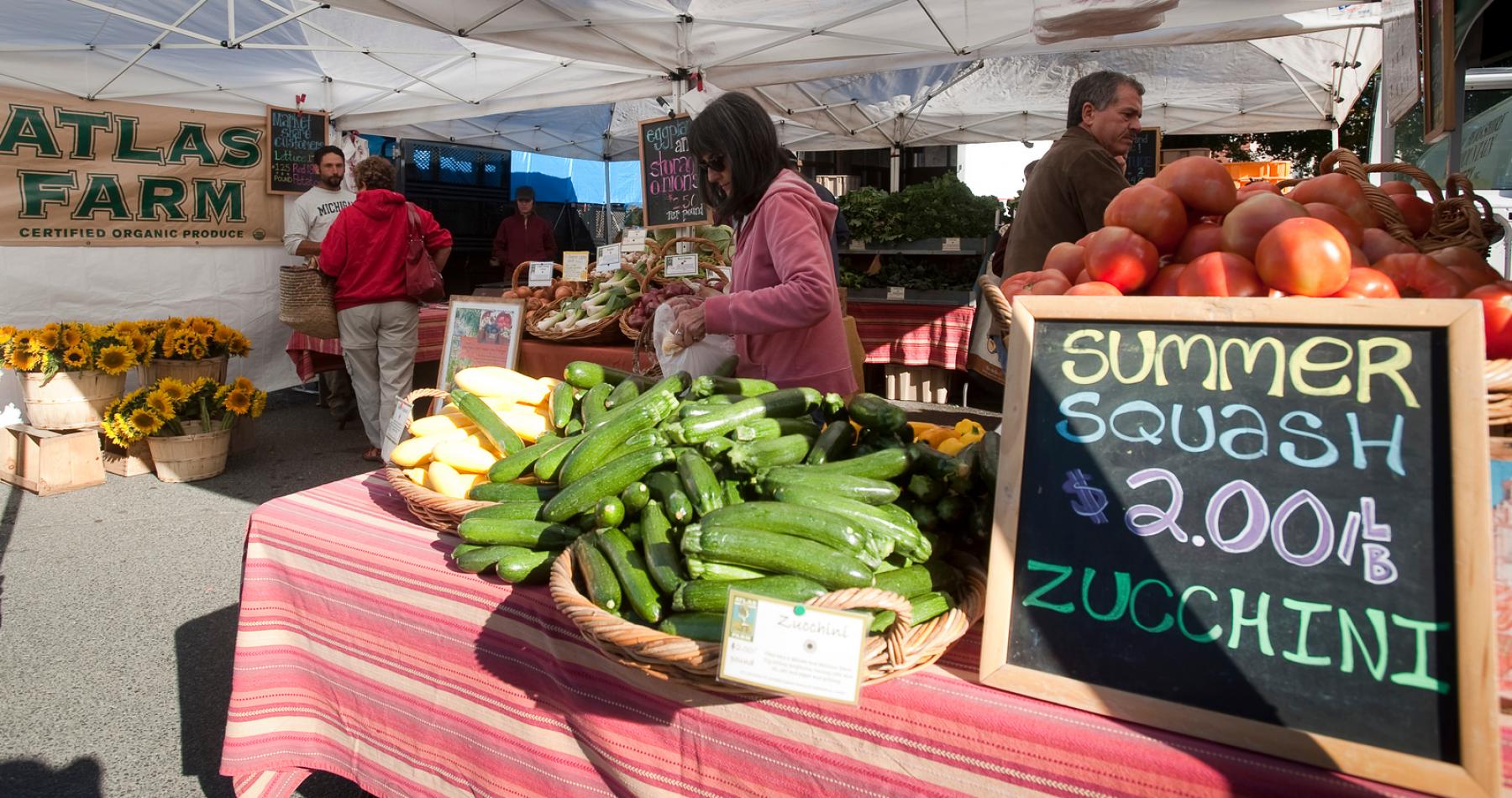
Partnerships between mobile farmer’s markets, the UMass Extension Nutrition Education’s SNAP- Ed Program and community organizations have made it possible for SNAP participants to access fresh healthy produce at their home, school, educational center, and councils on aging. For many SNAP participants this was the first opportunity to use their fruit and vegetable benefit provided through the Healthy Incentive program (HIP). Depending on the household size, this benefit offers $40-80 per month to purchase fruits and vegetables.
-
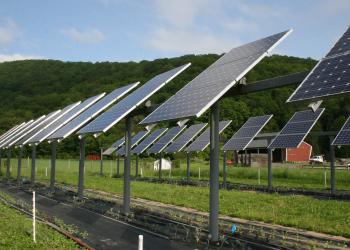
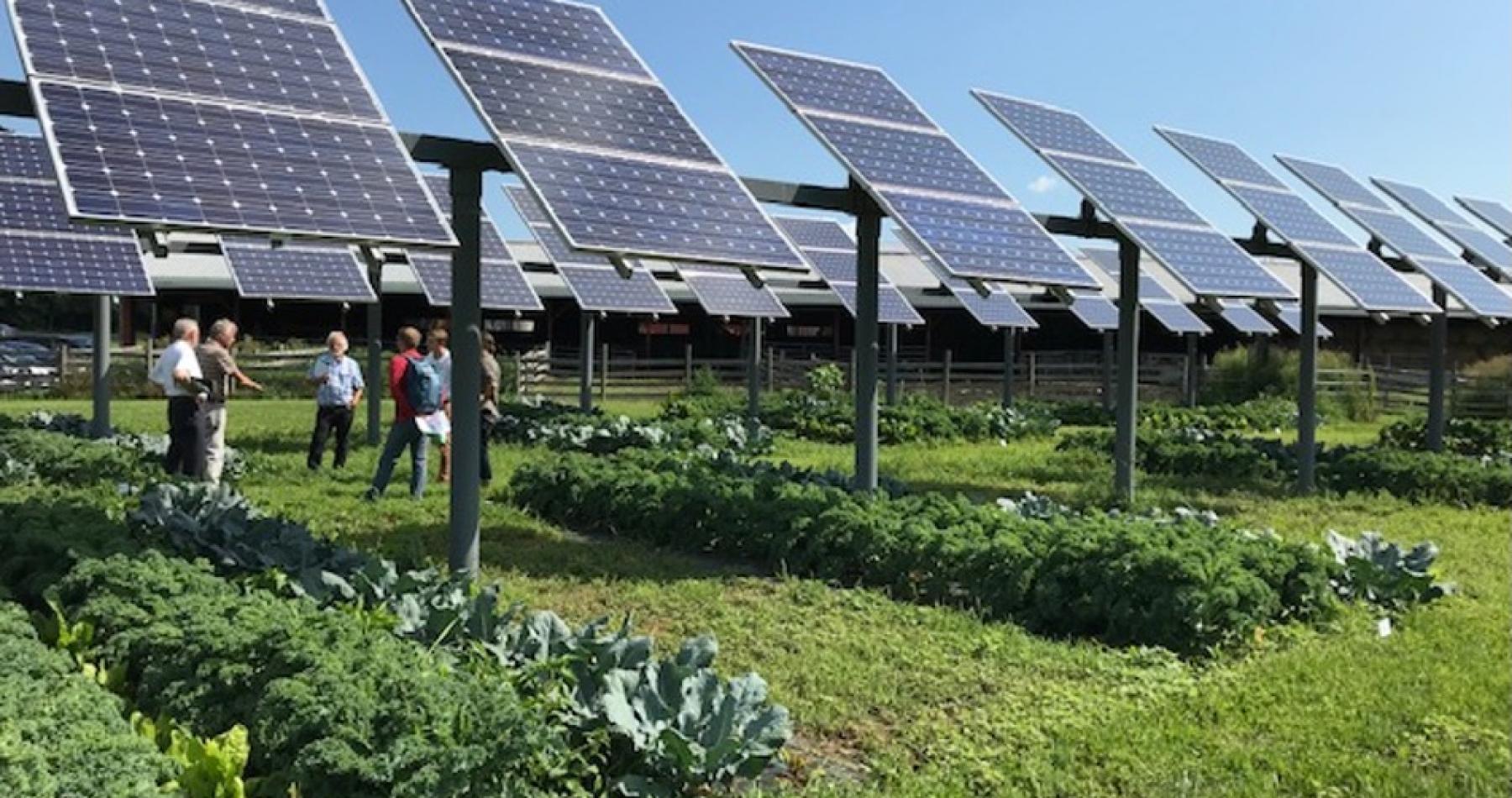
The Clean Energy Extension (CEE) at UMass Amherst recently concluded the Western Massachusetts Solar Forum, a series of virtual public discussions and information-sharing sessions regarding the opportunities and challenges associated with solar PV development and installation in Western Massachusetts. The Forum was convened and hosted by CEE, Massachusetts Senator Jo Comerford (D-Northampton), Representative Mindy Domb (D-Amherst), and 16 members of the western Massachusetts state legislative delegation.
-
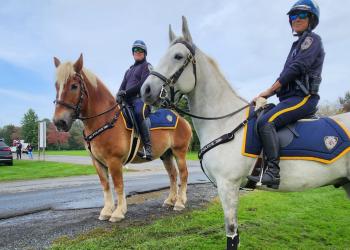
It is a mild January morning that finds UMPD Detective Jessie Liptak at the Hadley Farm caring for the Mounted Unit’s three horses: Miranda, a 28-year old mare who, despite having a bit more silver in her muzzle, still inspects visitors thoroughly for treats, Miller, an imposing Belgian draft horse, and Outlaw, a sweet, nine-year-old gray who first came to the farm as a horse companion before finding his calling in police work.
-
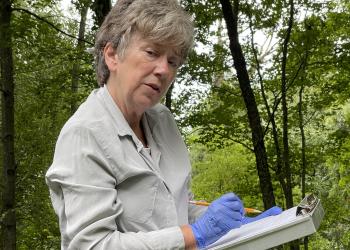
Forest ranger dreams turned water champion: Marie-Françoise Hatte's incredible journey protecting New England's waterways. What was her most memorable field work experience? And why does she say rivers are like wild animals?
-
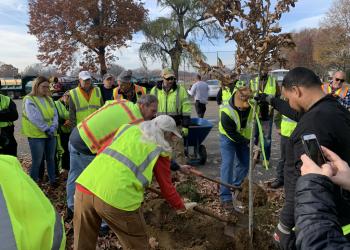
The Greening the Gateway Cities Program expanded to Springfield November 16th and 17th. Volunteers and foresters, including UMass’ Dr. Rick Harper, planted fifty trees providing a myriad of environmental and health benefits.
Research and Outreach Interest Areas








Upcoming Events
-
Apr18
2024-2026 Chart Book Pickup
CranberryThursday, April 18, 2024 - 11:00amIn-person -
Apr18
New 4-H Volunteer Orientation
Mass 4-HThursday, April 18, 2024 - 6:30pmOnline -
Apr18
National Trip Informational Sessions
Mass 4-HThursday, April 18, 2024 - 7:00pmOnline -
Apr19
4-H'ers Purple Up for Military Kids
Mass 4-HFriday, April 19, 2024 - 6:00amOnline,In-person -
Apr20
Mapping, Geocaching and more Workshop
Mass 4-HSaturday, April 20, 2024 - 1:00pmIn-personAuburn Office -
Apr22
4-H Beef Trip to Plymouth Meats
Mass 4-HMonday, April 22, 2024 - 3:00pmIn-personPlymouth, CT
